Client
DDS
Year
2026
Type of sector
Arts & Culture
Type of work
Digital
Tag
Tools
An hour spent waiting, an hour spent working and an hour with someone we love occupy the same space on a clock. They can feel very different. The Art of Having Time begins with that distance between the time we can count and the time we feel we have.
We created a reflective digital experience to explore how time is perceived, valued and shared. Through personal calculations and a participatory enquiry, it asks what makes us give time to one thing and take it from another: the people we care for, the obligations we carry, the habits we repeat and the possibilities we postpone.
Making room for attention
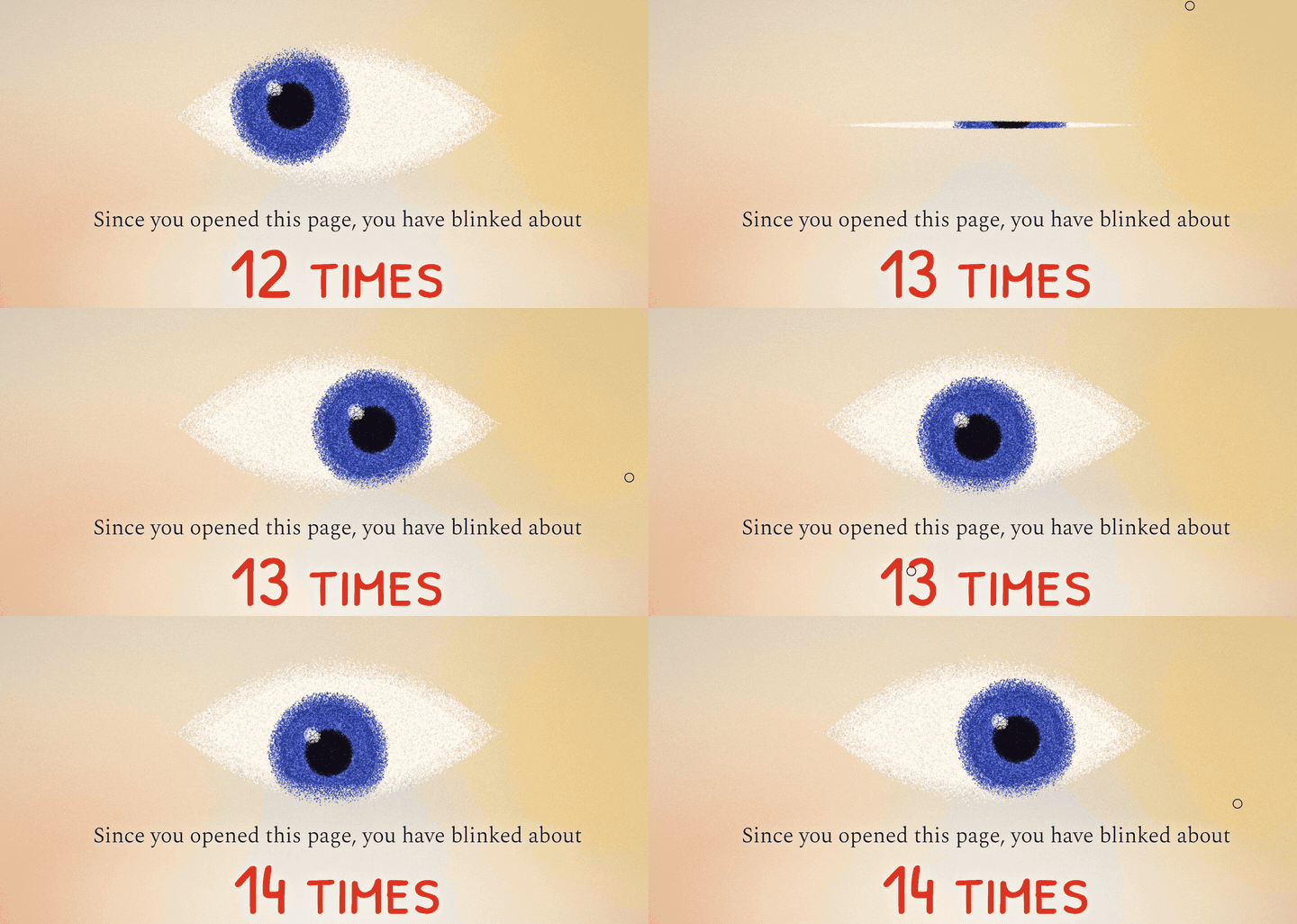
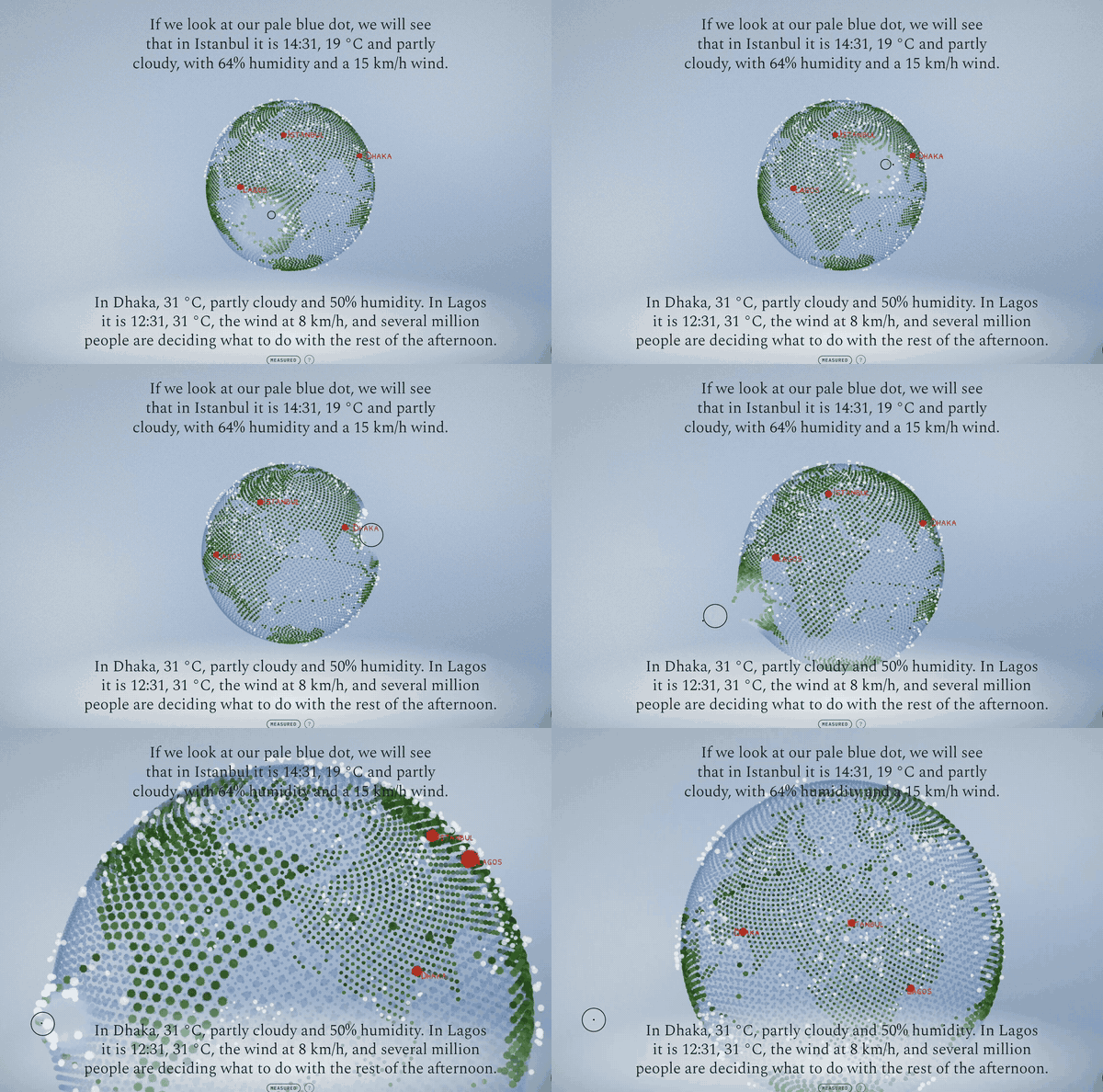
We wanted the experience to make room for a pause. Its pace, humour, movement and sound were composed around the act of paying attention: to a body that keeps going without being asked, to the scale of a life, and to the people whose time is entangled with our own. Moving between these scales makes an abstract subject personal without requiring a single interpretation.
Care sits at the centre of that enquiry. Time given to someone can be a source of meaning and an obligation; the same hour can hold both. Asking how much time feels like our own opens a conversation about choice, dependence and the conditions that make certain choices possible. It also leaves room for what a calendar cannot record: anticipation, responsibility, affection and the feeling of never quite having enough.

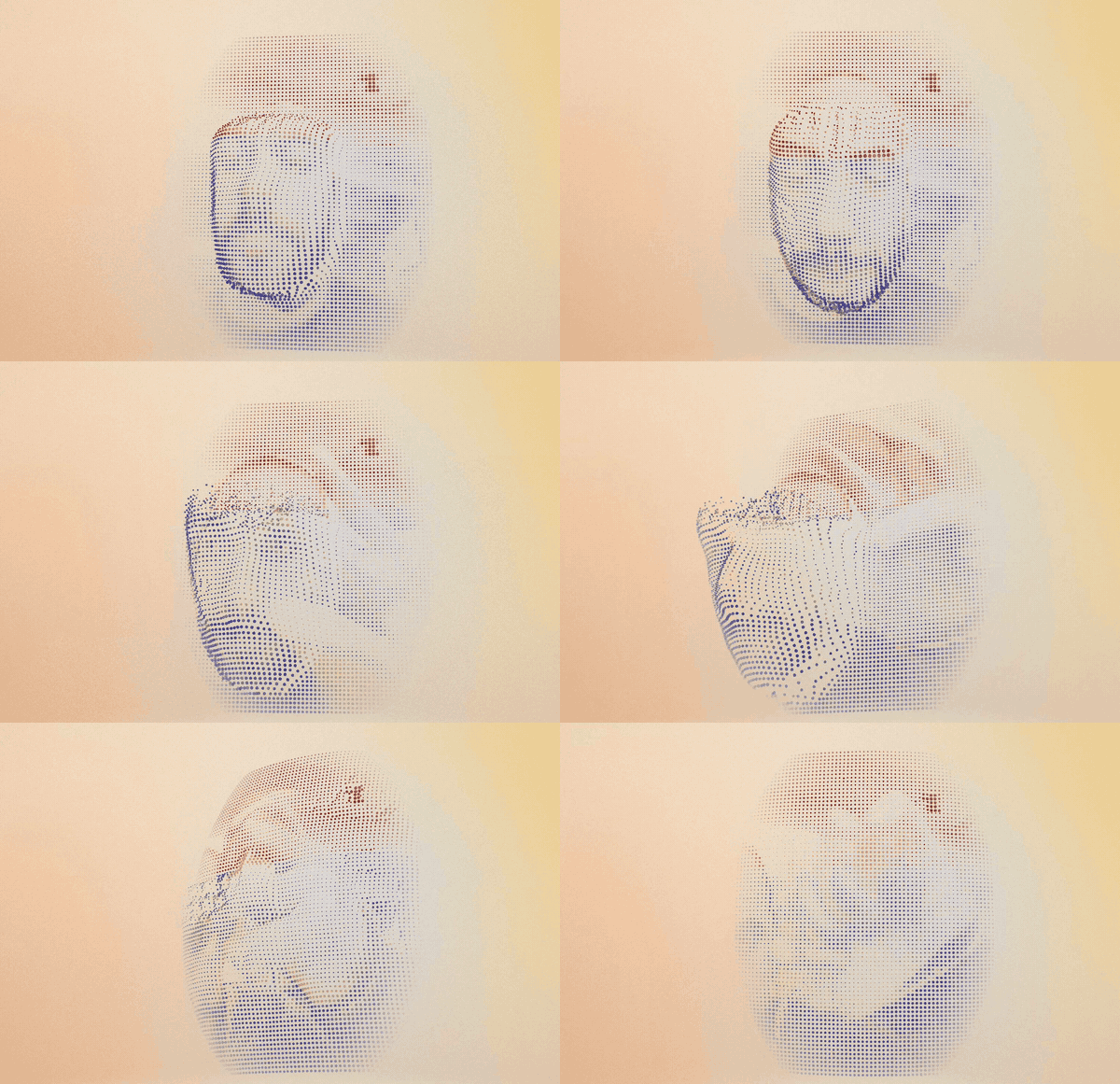
A portrait made of time. Supplied screen recording.

The experience opens out to the world. Supplied screen recording.

A life counted in weeks. Supplied screenshot.
Giving the numbers a basis
The calculations combine information provided by each visitor with published data and explicit assumptions. Calendar arithmetic counts elapsed days and complete weeks. Estimates of future time use age-specific mortality probabilities derived from the United Nations’ World Population Prospects 2024. We calculate survival from the visitor’s current age, applying the same 2024 rates at every future age. These are population expectations, with uncertainty and limits, rather than individual forecasts.
Everyday habits are translated into a weekly time budget, with work and commuting counted across five working days. In the longer view, future weeks are weighted by survival probability and work stops at the selected retirement age. Shared time combines two survival curves with the amount of time the visitor says they spend with someone. That model assumes the same country and independent lives; it cannot account for all the circumstances of a relationship.
We made these distinctions part of the experience. Counts, modelled estimates, assumptions and imagined comparisons carry different labels, and the method can be opened alongside the work. A number should give someone a reason to reflect while leaving its basis available to question.


Adjustable assumptions about an ordinary week, and shared time. Demonstration profile, with fictional age and name.
Asking what the calculation leaves out
The participatory act asks what someone would otherwise be doing, how much of an ordinary day they can decide for themselves, and what they would like more time for. It pairs that last desire with a further question: what would actually have to change? This brings the often invisible conditions behind time into the conversation, connecting an individual wish to the forces that enable or prevent it.
Visitors can share their answers and encounter them in relation to other people’s. The exchange extends the project’s research into perceived control over time, while keeping a clear limit: these accounts describe those who choose to participate. They do not stand for a whole population, and they do not turn time perception into a single score.


What would otherwise occupy this time? How much time feels like your own? Demonstration responses, with sharing off.

A desire paired with the change it needs. Local demonstration answers; not survey findings.
The Art of Having Time is an invitation to consider what makes time feel available, valuable or already spoken for—and what caring for our own time might mean for the time of others.
Method and additional screenshots
The calculations were checked against the current public implementation and its methods note. The example inputs used in the review are illustrative. Population expectations and voluntary responses are not individual predictions or representative survey findings.

Full blink scene. Supplied screenshot.

The live methods note, captured 24 October 2026.

The opening, captured 24 October 2026.
Domestic Data Streamers · 2026